How to Win Solitaire More Often, Tips That Actually Work
By Sam Ashford - Last Updated: 12/07/2026
Winning at solitaire isn't about luck alone. With the right approach, you can significantly improve your chances of clearing the board and winning more games.
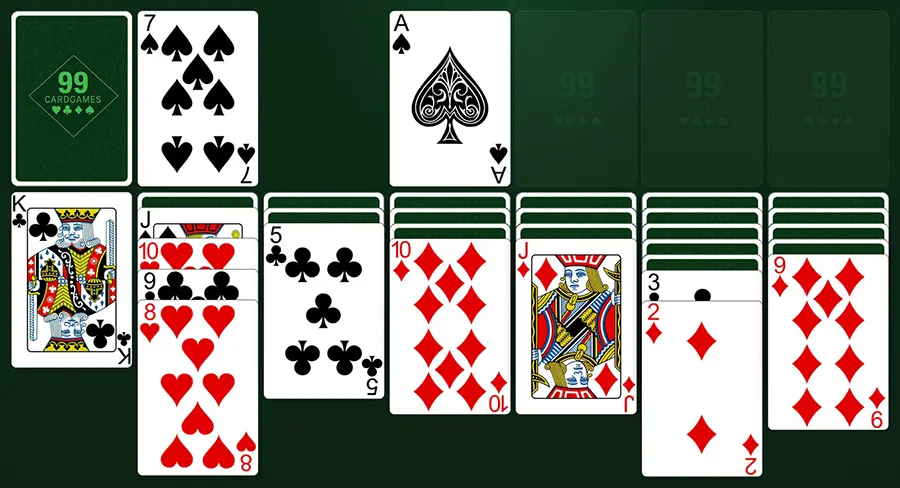
The key to winning more often lies in understanding a few core strategies: managing your cards wisely, making smart opening moves, and recognizing which opportunities are worth taking. Most players make the same mistakes over and over, which tanks their win rate. Learning to spot these errors and avoid them can make a real difference in your results.
This guide gives you 20 practical tips that work across different solitaire games. You'll learn how to handle your cards better, what to do at the start of each game, and how to practice in ways that actually improve your skills.
Understanding Solitaire Rules
You need to know the basic rules before you can improve your win rate. Solitaire has many versions, but Klondike is the most common type that most people play.
The game starts with 28 cards dealt into seven columns. The first column has one card, the second has two cards, and so on until the seventh column has seven cards. Only the top card in each column is face-up at the start.
Your goal is to move all cards to four foundation piles. Each foundation starts with an Ace and builds up in order to King. You must keep cards in the same suit for each foundation pile.
Key Rules to Remember:
- You can only move face-up cards
- Build tableau columns in descending order (King to Ace)
- Alternate colors when building columns (red on black, black on red)
- Kings can move to empty columns
- Draw cards from the stockpile when you run out of moves
The remaining 24 cards form your stockpile. You can flip through these cards either one at a time or three at a time, depending on which version you play. Turn-1 games are easier to win than Turn-3 games.
Empty columns are valuable because they give you space to move cards around. You can use them to access buried cards or rearrange sequences. About one in five deals cannot be won no matter how well you play, so don't get discouraged by losses.
Strategies for Better Card Management
Good card management separates winning players from those who get stuck. You need to think several moves ahead instead of just making the first move you see.
Always prioritize revealing face-down cards. When you have a choice between two moves, pick the one that uncovers hidden cards. This gives you more options and helps you spot potential problems early.
Keep your columns balanced whenever possible. You don't want one column getting too tall while others stay short. This creates problems later when you need to move card sequences around.
Track which cards you've seen from the stock pile. Many players flip through cards without paying attention. Remember what's coming so you can plan better moves. This simple habit makes a big difference in your win rate.
Move cards deliberately, not automatically. Just because you can move a card to the foundation doesn't mean you should do it right away. Sometimes you need that card to stay in play for building sequences.
Here are the most important management rules:
- Never empty a column unless you have a King ready to fill it
- Keep Aces and 2s accessible for quick foundation moves
- Build long sequences in suit when you can
- Don't bury cards you'll need soon under other cards
You should also avoid moving cards back and forth between columns without purpose. Each move should bring you closer to winning, not just fill time.
Optimizing Your First Moves
Your opening moves set up the entire game. Start by examining all face-up cards before you make any moves.
Always prioritize these actions first:
- Turn over the face-down card in the shortest column
- Move any Aces to the foundation immediately
- Expose hidden cards rather than building sequences on existing piles
The first few moves give you the most options. You want to uncover as many cards as possible before you tap the stock pile. This gives you better information to make smart choices later.
Look for moves that create empty columns early. Empty spaces are the most valuable resource in solitaire. They let you move Kings and reorganize long sequences.
Avoid these common mistakes:
- Don't move cards to the foundation too quickly in the opening
- Don't make moves just because you can
- Don't start drawing from the stock until you've made all tableau moves
Move cards from larger piles to smaller ones when possible. This helps you dig deeper into the columns with more face-down cards. Each hidden card you reveal improves your chances.
Plan two or three moves ahead instead of just one. Ask yourself what each move will expose and whether it helps your overall position. Your first five moves often determine if the game is winnable.
Recognizing Winning Opportunities
You need to spot key moments during play when the right move can make or break your game. These opportunities often appear suddenly and require quick thinking.
Watch for these winning signals:
- Multiple cards of the same suit appear in sequence
- Face-down cards become accessible through strategic moves
- Empty tableau columns open up for King placement
- Aces and Twos appear early in the game
You should prioritize moves that expose face-down cards over moves that simply stack cards on foundations. Each face-down card you reveal gives you more options and better information about what's possible.
Pay attention when you have a choice between moving cards to the foundation or keeping them in the tableau. Sometimes keeping lower cards in play lets you manipulate the tableau more effectively.
Critical decision points include:
- Whether to move cards to foundations immediately or wait
- Which face-down card to expose when you have multiple options
- When to use an empty column versus saving it for later
- Whether to cycle through the stock pile or make tableau moves first
You gain an advantage by recognizing when certain moves create long-term value versus short-term progress. A move that exposes three face-down cards is typically better than one that exposes just one card.
Look for patterns where moving one card creates a chain reaction of additional moves. These cascade opportunities often signal you're on the right track toward winning.
Common Mistakes to Avoid
Many players lose winnable solitaire games because of preventable errors. Understanding these mistakes will help you make better decisions and improve your win rate.
Moving Cards to Foundations Too Early
Don't rush to move cards to foundation piles. You might need those cards later to build sequences in your tableau. Keep aces and twos in play when they can help you uncover face-down cards or create new moves.
Ignoring Face-Down Cards
Always prioritize uncovering face-down cards. Each hidden card you reveal creates new possibilities for moves. Focus on columns with the most face-down cards first, as they offer the greatest potential for opening up your game.
Not Planning Ahead
Avoid making moves without thinking about the consequences. Consider how each move affects your future options. Ask yourself if moving a card will block an important sequence or prevent you from accessing cards you need.
Poor Stock Pile Management
Don't cycle through your stock pile carelessly. Pay attention to which cards appear and when. In games where you can only pass through the stock once or a limited number of times, each cycle becomes critical.
Building Without Purpose
Random tableau building wastes opportunities. Build sequences that actually help you reach your goals. Every move should either uncover a face-down card, create an empty column, or set up a future play.
Filling Empty Columns Too Quickly
Empty columns are valuable. Don't fill them with the first king you see. Wait for the right king that will help you move the most cards and create the best sequences.
Practicing For Consistent Improvement
The best way to get better at solitaire is to review your losses. When you lose a game, go back through the moves to find where things went wrong. Look for the moment when the game was still winnable and figure out what you should have done differently.
This approach is called deliberate practice. It helps you improve faster than just playing more games without thinking about your mistakes.
Key Practice Methods:
- Replay lost games to identify critical mistakes
- Track which moves led to dead ends
- Notice patterns in your winning games
- Focus on one strategy at a time until it becomes automatic
Start by playing games at a slower pace. Rushing through moves makes it harder to learn from what you're doing. Take time to consider your options before each move.
Keep track of your win rate over time. Write down how many games you win out of every 10 or 20 you play. This gives you real data about whether your practice is working.
Play the same variant repeatedly rather than switching between different types of solitaire. Mastering Klondike takes different skills than Spider or FreeCell. Pick one and stick with it until you see improvement.
When you notice yourself making the same mistake multiple times, create a mental rule to avoid it. For example, if you often trap kings, remind yourself to check for king placement before making other moves.
Practice sessions work better than marathon playing. Spend 15-30 minutes focused on improving rather than hours of mindless clicking.